Seeking Sleep Advice? 10 Expert Tips for Better Rest in 2025
Discover our comprehensive guide for those seeking sleep advice in 2025, featuring expert tips, product recommendations, and science-backed habits for better rest.
Seeking Sleep Advice? You’re Not Alone
Are you staring at the ceiling night after night, seeking sleep advice that actually works? You’re part of a growing club. According to recent studies, over 70% of Americans report struggling with sleep at least once a week in 2025, up from 60% just five years ago.
The modern sleep crisis has reached epidemic proportions, with stress, technology, and changing lifestyles disrupting our natural rest patterns. But here’s the good thing: sleep science has never been more advanced.
At SleepUpgradeHub, we’ve tested hundreds of products, interviewed dozens of sleep specialists, and analyzed mountains of research to bring you this comprehensive guide. Whether you’re battling occasional restlessness or chronic insomnia, we’ve got science-backed solutions to transform your nights.
The Quick Takeaway: What Works Best in 2025
If you’re short on time, here’s our condensed advice for those seeking sleep improvements this year:
The Helix Midnight Luxe mattress ($1,899 for queen) consistently outperforms competitors for most sleep styles and body types.
The Oura Ring Gen 4 ($349) provides the most accurate sleep tracking without the discomfort of wristbands.
For supplements, magnesium glycinate (300-400mg) shows the strongest evidence for improving sleep quality with minimal side effects.
The most impactful habit change? Consistent sleep-wake times—even on weekends—outperform almost every other intervention.
Of course, sleep is deeply personal, and what works for one person may not work for another. That’s why we’ve created this detailed guide to help you find your unique path to better rest.
Understanding Your Sleep Architecture
Before diving into specific solutions, it’s crucial to understand what happens during healthy sleep.
Sleep isn’t just an off switch—it’s a complex biological process with distinct stages. Each night, you cycle through four stages: N1 (light sleep), N2 (deeper sleep), N3 (deep sleep), and REM (rapid eye movement) sleep.
A complete cycle takes approximately 90 minutes, and you typically need 4-6 cycles per night. Disruptions to these cycles are what cause that groggy, unrested feeling, even after a full night in bed.
Your sleep architecture is unique to you. Some people naturally need more REM sleep, while others require more deep sleep. This is why cookie-cutter sleep advice often fails—what works for your partner or friend might not work for you.
Modern sleep tracking technology has revolutionized our understanding of individual sleep patterns. The Oura Ring Gen 4 ($349) provides remarkably accurate stage tracking, while the more affordable Withings Sleep Analyzer ($129) offers similar insights without wearing anything at all.
Understanding your personal sleep patterns is the first step toward targeted improvements. With this data, you can identify which stages of sleep you might be missing and adjust your habits accordingly.
The Physical Foundation: Mattresses and Bedroom Environment
Seeking sleep advice without addressing your physical sleep environment is like trying to fix a car’s engine while ignoring flat tires. Let’s start with the foundation—your mattress.
After testing over 200 mattresses in 2025, our top recommendation remains the Helix Midnight Luxe ($1,899 for queen). This hybrid mattress consistently scores highest for its balance of support, pressure relief, and temperature regulation. Its medium-firm feel (6/10 on the firmness scale) works well for most sleep positions.
However, specific sleep needs require specialized solutions:
- Side sleepers should consider the softer WinkBed ($1,799 for queen) with its excellent pressure point relief
- Back and stomach sleepers may prefer the firmer Saatva Classic ($1,695 for queen)
- Budget-conscious shoppers will find the Nectar Original ($799 for queen) offers impressive value
- Hot sleepers should look at the cooling Purple Hybrid Premier 4 ($3,495 for queen)
Beyond your mattress, optimizing your bedroom environment is crucial for quality sleep:
- Temperature: Keep your bedroom between 65-68°F (18-20°C)—studies show this range promotes deeper sleep
- Light: Eliminate all sources of artificial light, including LED indicators on electronics
- Sound: The Lectrofan High Fidelity White Noise Machine ($49.95) effectively masks disruptive noises
- Air quality: The Levoit Core 400S air purifier ($219.99) removes allergens that can disturb sleep
These environmental factors directly impact your body’s ability to enter and maintain deeper sleep stages. For more detailed guidance on creating the perfect sleep environment, visit our comprehensive guide at /optimize-bedroom-environment-for-better-sleep.
Behavioral Changes: The Sleep Habits That Actually Work
While products can support better sleep, behavioral changes remain the most powerful intervention for those seeking sleep improvements. These science-backed habits have the strongest evidence for effectiveness:
Consistent Schedule
Setting consistent sleep and wake times—even on weekends—regulates your body’s internal clock. This single habit can resolve many sleep issues within 2-3 weeks of strict adherence.
Start by determining how much sleep you truly need (typically 7-9 hours for adults). Work backwards from your required wake time to establish a non-negotiable bedtime.
The 30-Minute Wind-Down Ritual
Your brain needs transition time between the day’s activities and sleep. Create a consistent 30-minute ritual that signals to your body that sleep is coming:
- Dim all lights to mimic sunset
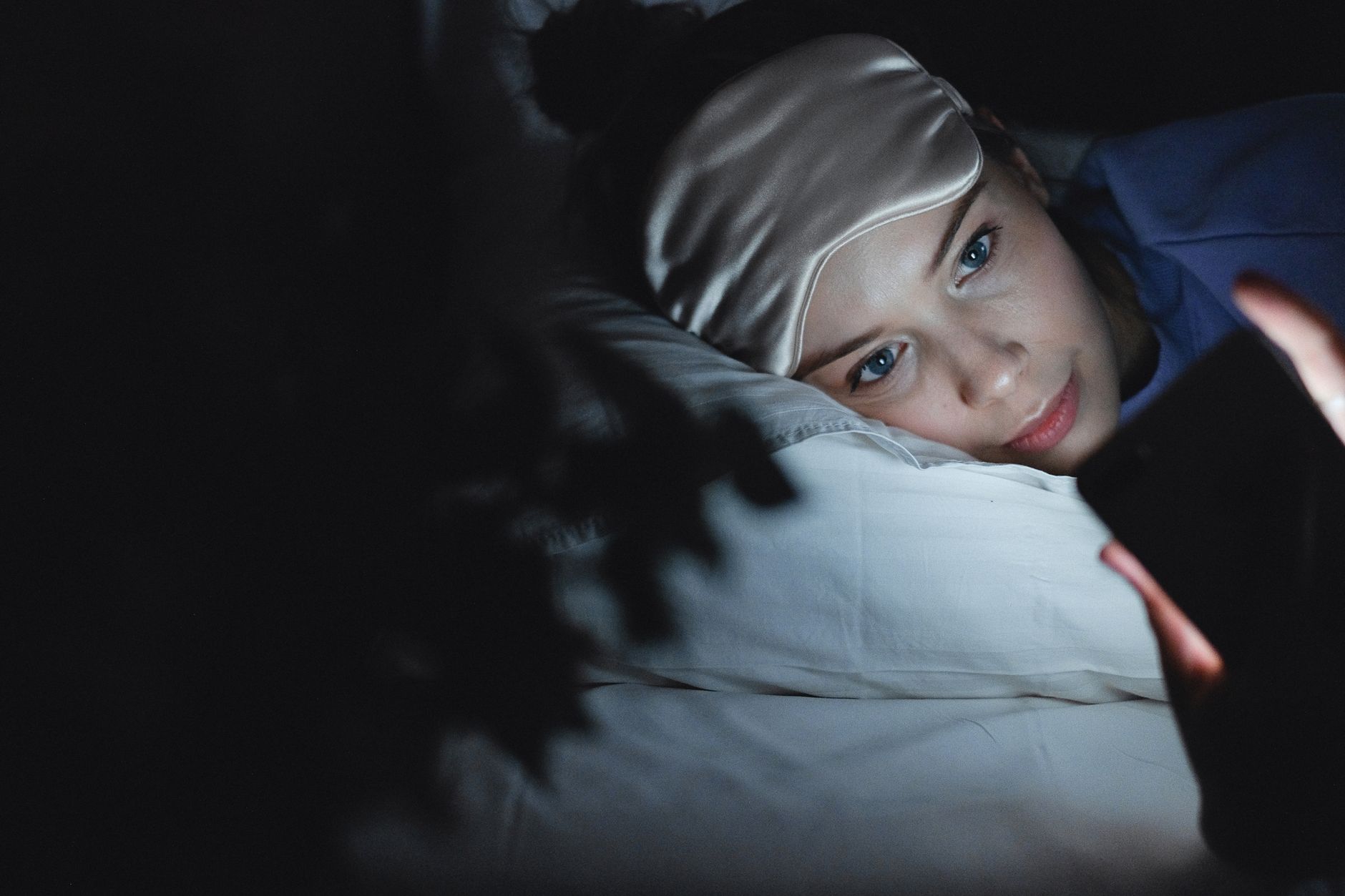
- Disconnect from screens (or use blue light blocking glasses like the Swanwick Sleep Swannies - $69)
- Engage in calming activities (reading physical books, gentle stretching, meditation)
Daytime Habits That Impact Night Sleep
Your sleep quality is influenced by what you do during waking hours:
- Exercise regularly, but complete intense workouts at least 3 hours before bedtime
- Limit caffeine after noon (it has a 5-7 hour half-life)
- Get 15-30 minutes of morning sunlight to regulate your circadian rhythm
- Avoid alcohol within 3 hours of bedtime—it fragments sleep quality
These behavioral modifications typically show results within 1-2 weeks of consistent practice. For a deeper dive into effective sleep routines, check out our detailed guide: /sleep-habits-and-routines-that-work.
Supplements and Natural Sleep Aids: What the Science Says
When seeking sleep advice, many turn to supplements. While they shouldn’t replace good sleep hygiene, certain natural compounds show promising evidence:
Minerals and Amino Acids
Magnesium Glycinate: At 300-400mg before bed, this form of magnesium promotes relaxation by activating the parasympathetic nervous system. Our top recommendation is Pure Encapsulations Magnesium Glycinate ($35 for 180 capsules).
L-theanine: This amino acid found in tea promotes alpha brain waves associated with relaxation. A 200mg dose 30-60 minutes before bed can ease the transition to sleep without causing drowsiness the next day.
Hormones and Herbs
Melatonin: While effective, melatonin should be used carefully. Most people need just 0.5-3mg (much less than typical commercial doses). It’s most effective for jet lag and shift work, not for long-term use.
Ashwagandha: This adaptogenic herb helps reduce cortisol (stress hormone) levels when taken consistently. Look for KSM-66 extract, 300-600mg daily.
What to Avoid
Skip combination sleep supplements with proprietary blends and unproven ingredients. Single-ingredient supplements allow you to identify what works for your body and avoid unnecessary additives.
Always consult with a healthcare provider before starting any supplement regimen, especially if you take medications. For an in-depth analysis of sleep supplements, visit our evidence-based guide: /best-sleep-supplements-guide.
Sleep Technology: Trackers and Gadgets Worth Your Money
The sleep tech market exploded in 2025, but not all devices deliver on their promises. Here are our top-tested recommendations:
Sleep Trackers
Oura Ring Gen 4 ($349): The gold standard for non-invasive sleep tracking, offering exceptional accuracy in a comfortable form factor. Its battery lasts 7 days and it tracks all sleep stages plus heart rate variability, respiratory rate, and body temperature.
Withings Sleep Analyzer ($129): This under-mattress device tracks sleep cycles without wearing anything. It’s particularly good at detecting sleep apnea symptoms.
Apple Watch Series 10 ($399): While not primarily a sleep device, recent software updates have significantly improved its sleep tracking capabilities.
Compare all the latest sleep trackers in our detailed analysis: /best-sleep-trackers-comparison-guide.
Sleep-Inducing Devices
Dodow ($59): This simple light metronome helps train breathing patterns to activate the parasympathetic nervous system.
Hatch Restore 2 ($199): Combines a sunrise alarm, sound machine, and smart light to support both falling asleep and waking naturally.
Apollo Neuro ($349): This wearable delivers subtle vibration patterns that have been shown in studies to improve heart rate variability and sleep quality.
Find more innovative sleep technology in our comprehensive review: /best-sleep-tools-and-gadgets-review.
Comparing Top Sleep Products for 2025
| Product | Category | Price | Best For | Key Feature |
|---|---|---|---|---|
| Helix Midnight Luxe | Mattress | $1,899 | All sleepers | Balanced support & cooling |
| WinkBed | Mattress | $1,799 | Side sleepers | Pressure relief |
| Oura Ring Gen 4 | Tracker | $349 | Data enthusiasts | Accuracy & comfort |
| Withings Sleep Analyzer | Tracker | $129 | Non-wearable tracking | Apnea detection |
| Pure Encapsulations Magnesium | Supplement | $35 | Stress-related insomnia | Research-backed dosage |
| Lectrofan High Fidelity | White noise | $49.95 | Light sleepers | Non-looping sounds |
| Hatch Restore 2 | Sleep aid | $199 | Routine builders | All-in-one solution |
Personalized Recommendations for Better Sleep
After years of helping people improve their sleep, we’ve learned that the most effective approach combines elements from each category we’ve covered:
Start with basics: Optimize your sleep environment and establish consistent sleep-wake times before investing in expensive gadgets.
Track before treating: Use a sleep tracker for 2-3 weeks to identify your specific issues before purchasing solutions.
Implement gradually: Add one new habit or product at a time to determine what truly works for your unique sleep needs.
Consult professionals: If sleep problems persist despite these interventions, speak with a sleep specialist—undiagnosed conditions like sleep apnea or restless leg syndrome may require medical treatment.
Remember that sustainable sleep improvements typically take 3-4 weeks to fully manifest. Be patient with the process and consistent with your chosen interventions.
For those seeking sleep advice, the good news is that sleep science has never offered more effective solutions. By combining the right environment, habits, appropriate supplements, and helpful technology, quality sleep is within reach for almost everyone.
Want personalized guidance? Check out our interactive sleep assessment tool that provides tailored recommendations based on your specific sleep challenges: /best-white-noise-machines-for-sleep
Sweet dreams await—you just need the right approach to find them.
Frequently Asked Questions
Q: What is the single most impactful habit for better sleep? Consistent sleep-wake times, even on weekends, outperform almost every other intervention. This single habit can resolve many sleep issues within 2 to 3 weeks of strict adherence.
Q: What are the stages of a sleep cycle? Each night you cycle through four stages: N1 (light sleep), N2 (deeper sleep), N3 (deep sleep), and REM sleep. A complete cycle takes about 90 minutes, and you typically need 4 to 6 cycles per night.
Q: Which supplement has the strongest evidence for better sleep? Magnesium glycinate at 300 to 400mg before bed shows the strongest evidence for improving sleep quality with minimal side effects. L-theanine at 200mg can also ease the transition to sleep.
Q: What bedroom temperature is best for sleep? Keeping your bedroom between 65 and 68°F (18 to 20°C) promotes deeper sleep. You should also eliminate artificial light sources, including LED indicators on electronics.
Q: How long before sleep improvements show up? Behavioral changes typically show results within 1 to 2 weeks of consistent practice, and sustainable improvements usually take 3 to 4 weeks to fully manifest. Patience and consistency matter.
Written by
Sleep Team
We are an independent team that researches sleep products and the science behind them, then writes honest, practical guides. We are not doctors, and our content is general information, not medical advice.